
My research journey interweaves three core themes: understanding youth and young adult development in diverse contexts, advancing equitable teaching practices, and fostering critical engagement with science.
Understanding Teen and Young Adult Development
My research trajectory began as a research intern for a maternal addiction treatment study. This foundational experience shaped my interest in how family and community factors influence youth and young adult development, leading to me returning to school for a Ph.D. in Human Development & Family Studies at Michigan State University. Currently, I’m expanding this focus through multiple projects examining moral development, critical thinking, and socialization practices in diverse families.
Critical Engagement with Science
Through my research presentations and published work, I contribute to conversations about humanizing developmental science and creating empathy-centered learning environments.
Advancing Equitable Teaching
My teaching philosophy emerged from extensive experience in both formal and community education settings. From designing college preparation curricula for out-of-school time programs to facilitating conference workshops, I’ve consistently worked to create interdisciplinary learning experiences that balance knowledge and learner-centered strategies. The Future Academic Scholars in Teaching (FAST) Fellowship has provided a platform to develop and study innovative teaching interventions for undergraduate education.
Future Directions
Moving forward, my research agenda aims to integrate these themes by examining how educational environments can better support diverse learners while advancing our understanding of development in context. This work is enhanced by my technical expertise in data analytics and instructional design, allowing for innovative approaches to both research and teaching.
Current Projects
Teaching Towards Consciousness
PI: Danielle M. Cadet, M.Ed. | An exploratory mixed methods investigation of transformative social empathy in undergraduate social science education
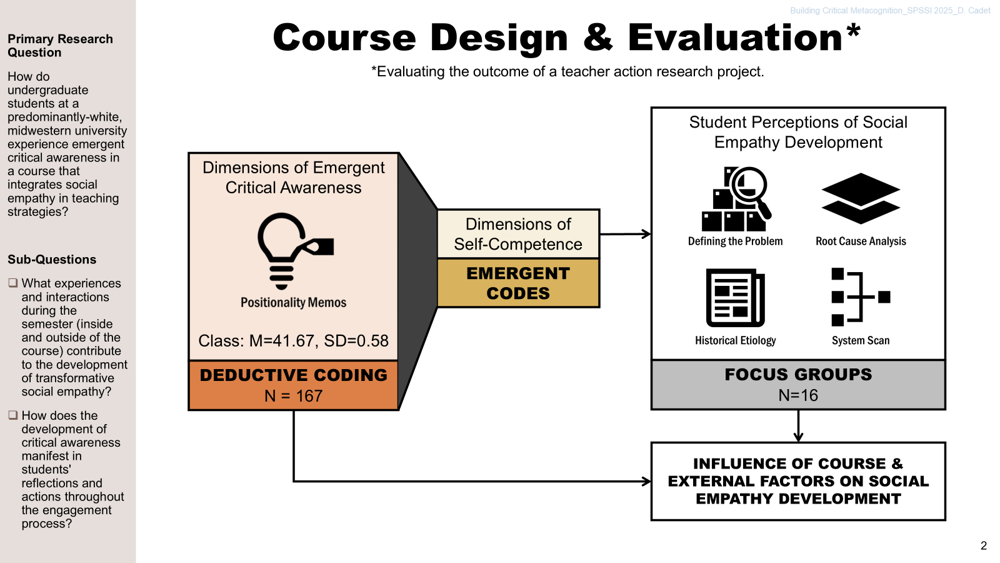
College Women Study
PI: Deborah J. Johnson, Ph.D. | Uncovering patterns in ethno-gendered experiences and identity stress coping strategies of Black students adjusting to life on predominately white college campuses in the U.S.
Presentations
Conferences
Cadet, D. M. (2025, June). Building Critical Metacognition: A Framework for Developing Sociopolitical Awareness [Research Presentation]. Society for the Psychological Study of Social Issues Conference, Portland, OR.
This interactive workshop aims to enhance the teaching of developmental science by bridging the gap between complex theoretical concepts and lived experiences. Drawing on principles of transformative learning (Armitage, 2013), pedagogy of discomfort (Boler, 1999), and developmental science decolonization (Kapoor, 2023), participants will engage in reflective activities that encourage metacognitive exploration of their own learning experiences and use these insights as a foundation for decolonizing and diversifying how we teach developmental science. Additionally, this workshop centers around techniques that prompt our students to identify how theoretical concepts resonate with diverse embodied experiences and cultivate a holistic, humanizing perspective on developmental processes.
Participants left with a toolkit of practical strategies designed to position themselves as educators, use metacognition to enhance their teaching practices, and improve student engagement. By incorporating evidence-based techniques such as cognitive scaffolding (Vygotsky, 1978) and collaborative learning (Bruner, 1996), educators will be empowered to create inclusive learning environments that honor diverse developmental pathways and perspectives.
The goals of this workshop are threefold. First, participants will engage in hands-on exercises that demonstrate the techniques for connecting abstract theories to personal narratives. Then, they will critically examine how these activities stretched their thinking and challenged their preconceptions about developmental science education. Finally, educators will apply their insights to develop strategies for implementing these strategies in their courses.
This workshop is suitable for educators at all levels and will provide firsthand experience with several techniques to promote critical self-reflection in students and illuminate the personal relevance of developmental science in everyday life.
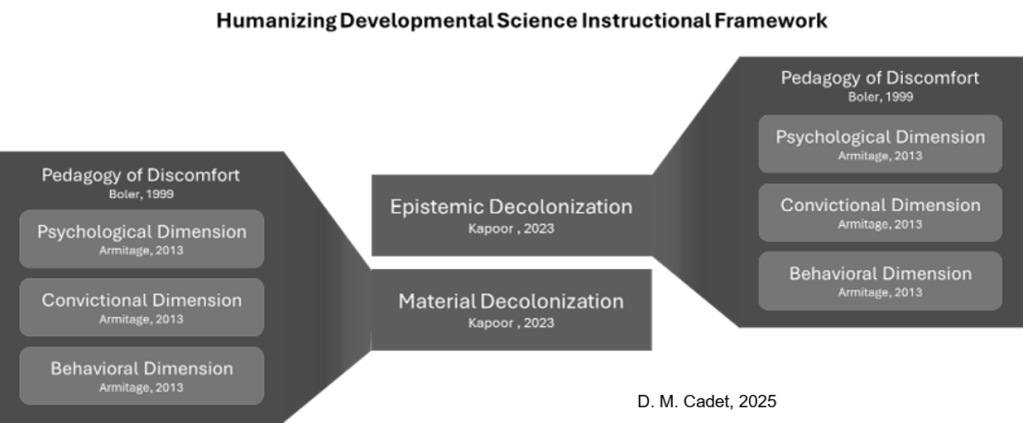
Cadet, D. M. & Meeks, R. D. (2025, June). Teaching Towards Consciousness: Creating Empathy-Centered Learning Environments [Research Presentation]. Society for Community Research and Action 20th Biennial Community Psychology Conference, East Lansing, MI.
This interactive workshop equips educators with practical tools for creating transformative learning environments. Drawing on principles of transformative learning, pedagogy of discomfort, and developmental science decolonization, participants will explore innovative approaches to bridge complex theoretical concepts with lived experiences. Through hands-on activities and collaborative exercises, educators will learn to create inclusive learning climates, implement structured activities connecting theory to personal narratives, and facilitate independent praxis. Participants will gain practical strategies for creating inclusive environments, implementing experiential learning activities, promoting critical reflection, and assessing transformative social empathy development.
Key Takeaways:
- Participants will learn practical strategies for integrating critical self-reflection and positionality work into their teaching practice while maintaining psychological safety in the classroom.
- Educators will gain concrete tools for bridging theoretical concepts with students’ lived experiences through structured activities that can be adapted across different course formats and sizes.
- Attendees will develop skills for facilitating transformative learning experiences that move beyond traditional pedagogical approaches to foster both individual growth and collective social change.
- Participants will learn assessment strategies that measure both cognitive understanding and the development of social empathy competencies.
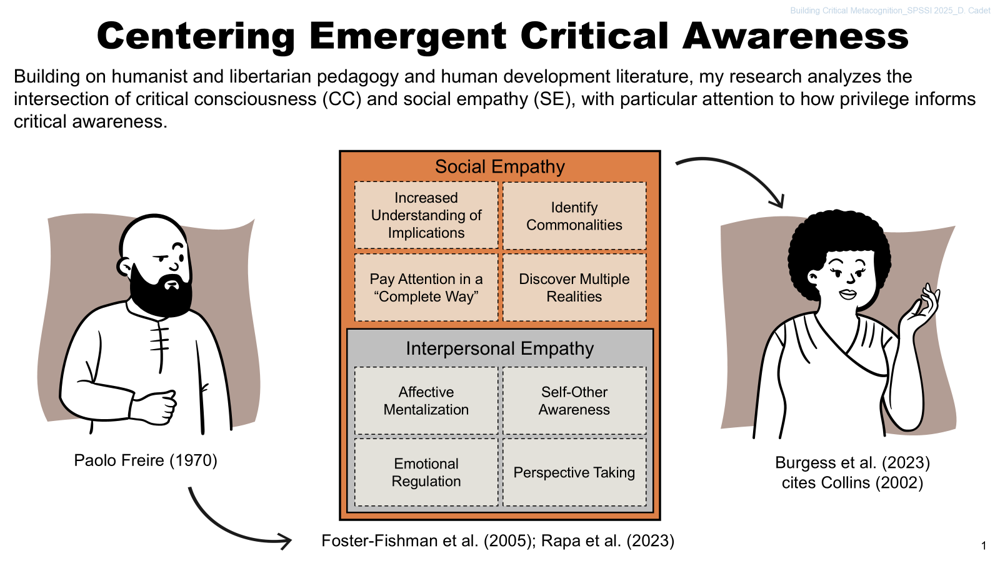
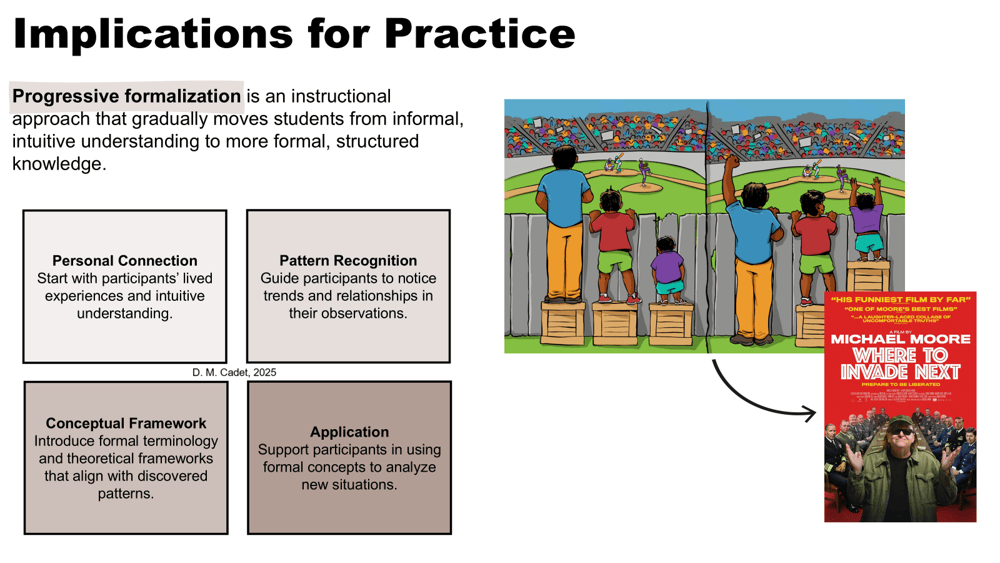
Cadet, D. M. (2025, April). Humanizing Development: Cultivating Critical Engagement with Developmental Science [SRCD Developmental Science Teaching Institute Workshop]. Society for Research on Child Development Biannual Meeting, Minneapolis, MN.
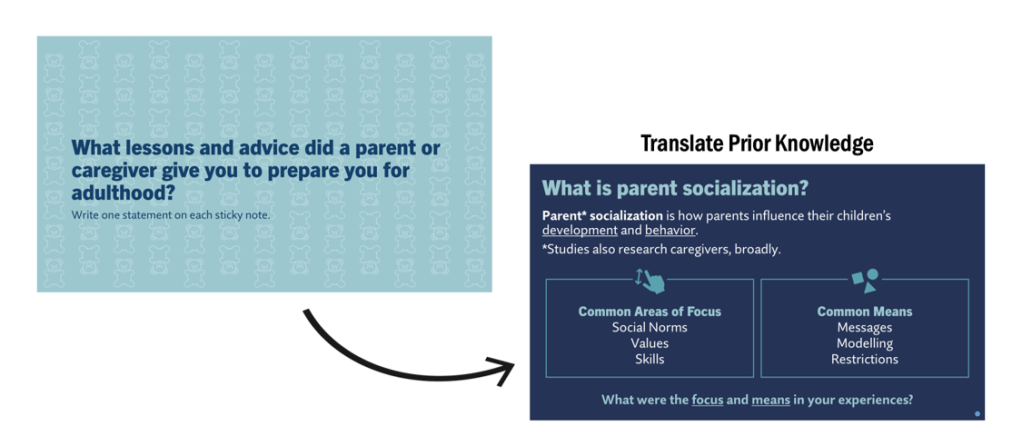
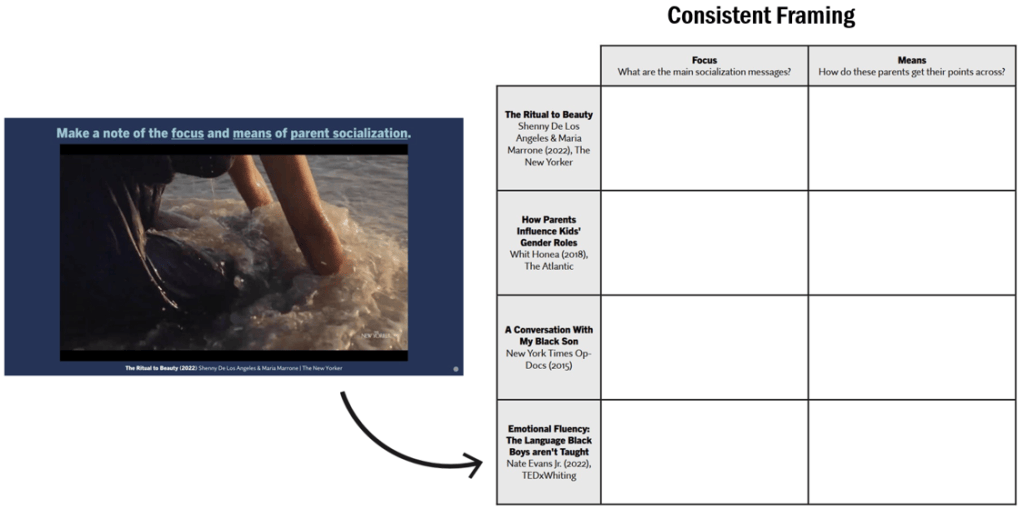
This workshop is a bridge between knowing where to start and knowing how to keep going. During this session, participants review tools to recognize learning within its sociopolitical context and as a sociopolitical context, Drawing from Phillip & Sengupta’s work on disciplinary authenticity (2021), we take stock of and engage with the histories of power that run through the veins of our theories of learning” and “account for how “designs and theories of learning […] creates, reifies, alters, refines, and transforms” realities” (p. 334). Through these reflections, we discuss positionality as a real position within a space and exchange prejudice with understanding and acceptance to create space for students to show up authentically in the classroom, thereby developing a lens for inviting students to connect their lived experiences with the course content to deepen their relationship to it.
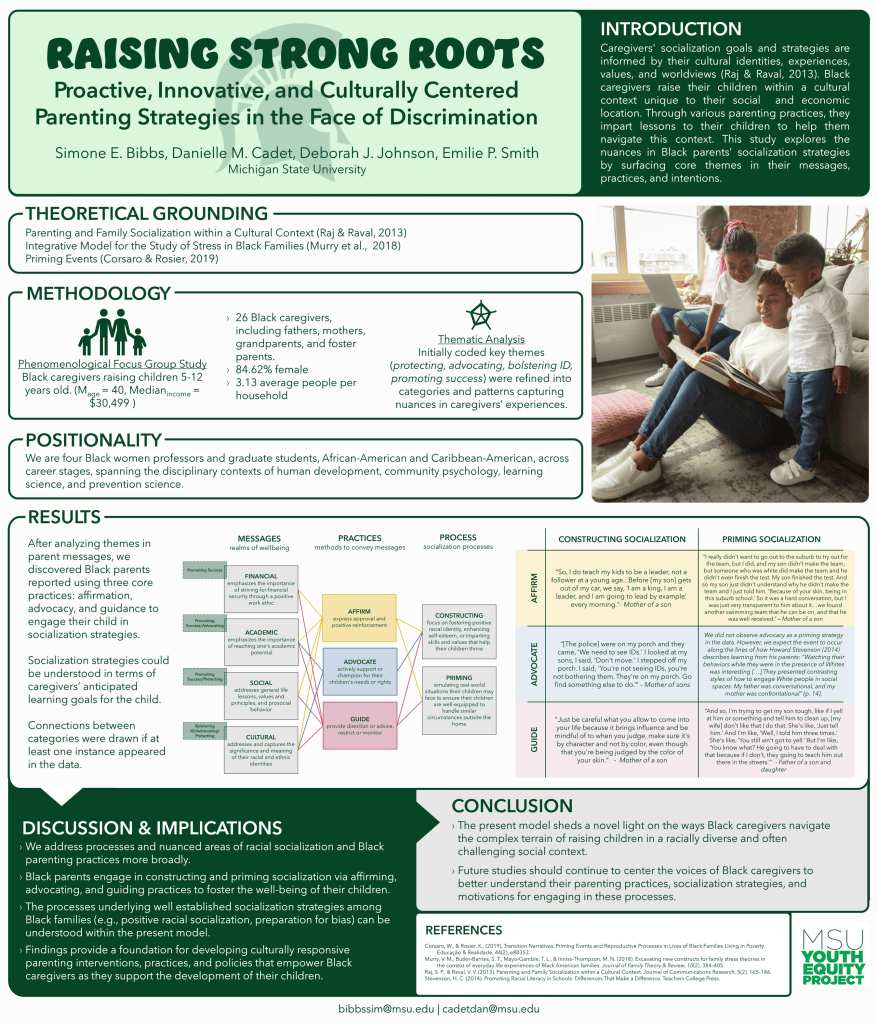
Bibbs, S. E., Cadet, D. M., Johnson, D.J., & Smith, E.P. (2024, April). Raising Strong Roots: Proactive, Innovative, and Culturally Centered Parenting Strategies in the Face of Discrimination [Inclusion, Equity, Social Justice (IESJ) Poster Session]. Society for Research on Adolescence Biannual Meeting, Chicago, IL.
Caregivers’ socialization goals and strategies are informed by their cultural identities, experiences, values, and worldviews (Raj & Raval, 2013). Black caregivers raise their children within a cultural context unique to their social and economic location. Through various parenting practices, they impart lessons to their children to help them navigate this context. This study presents a grounded theory exploring the nuances in Black parents’ socialization strategies by surfacing core themes in their messages, practices, and intentions.
Community Education
Selected trainings delivered to professionals, graduate students, researchers, and teachers.
Cadet, D. M. (2026) Reflexivity & Alignment in Higher Education Practice. Graduate Educator Advancement & Teaching Pedagogy Retreat, The Graduate School at Michigan State University, East Lansing, MI.
In this workshop learners strengthen their teaching techniques by adopting teaching practices that better align with their values, and they will learn new ways to create and maintain course cultures.
Cadet, D. M. (2026). Responding to AI with relational ethics. Graduate Educator Advancement & Teaching Pedagogy Training, The Graduate School at Michigan State University, East Lansing, MI.
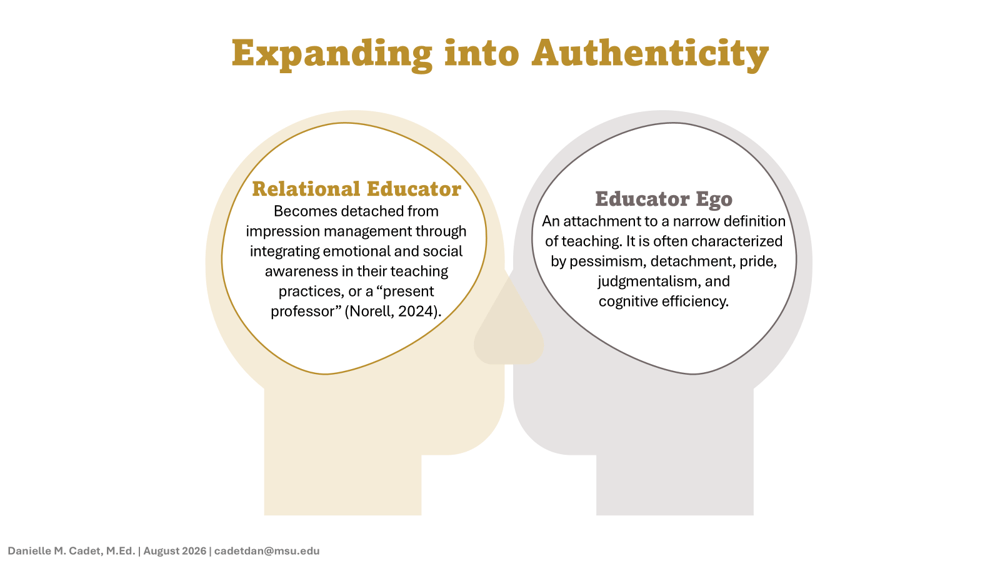
Learners reflect on how AI use disrupts intended learning experiences, recognize how academic performativity impacts AI use in the classroom, and lean into learning activities that reward attention and community.
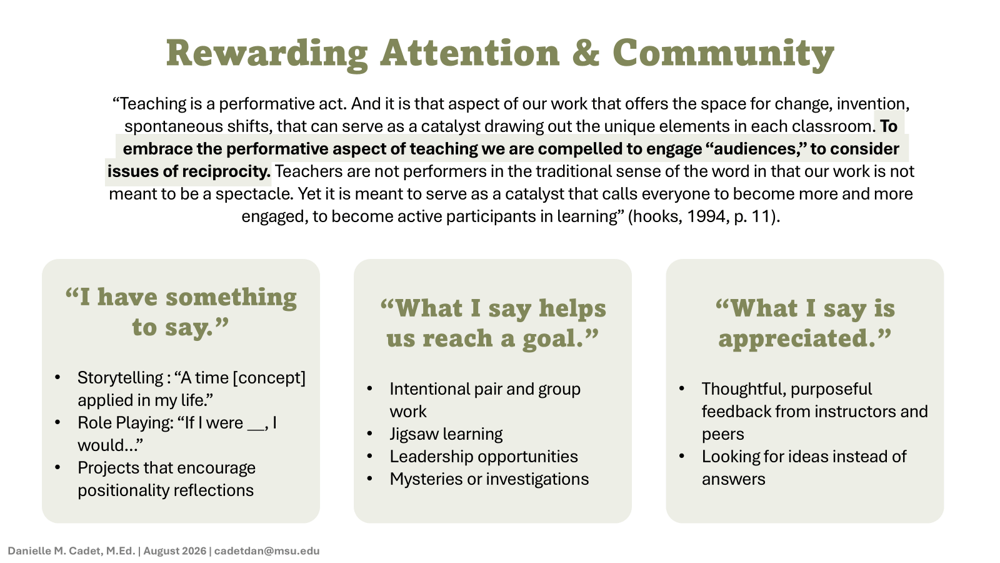
Cadet, D. M. (2025). Teaching for inclusivity and belonging. New Graduate Teaching Assistant Institute, The Graduate School at Michigan State University, East Lansing, MI.
Attendees recognize learning within its sociopolitical context and as a sociopolitical context. They then practice designing activities that invite students to connect their lived experiences with the course content to deepen their relationship to it. The session concludes with learners reviewing strategies for exchange prejudice with understanding and acceptance to create space for students to show up authentically in the classroom.
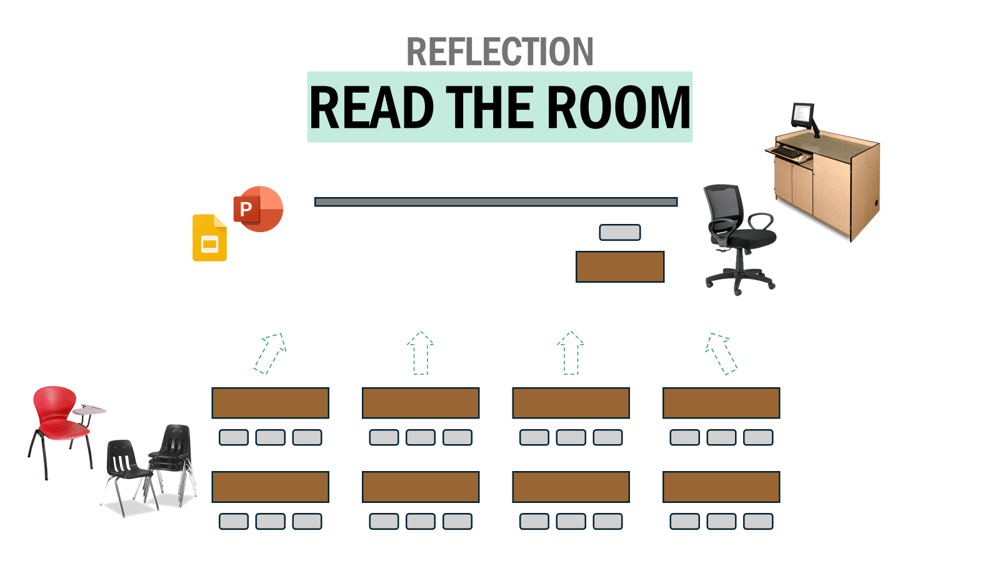
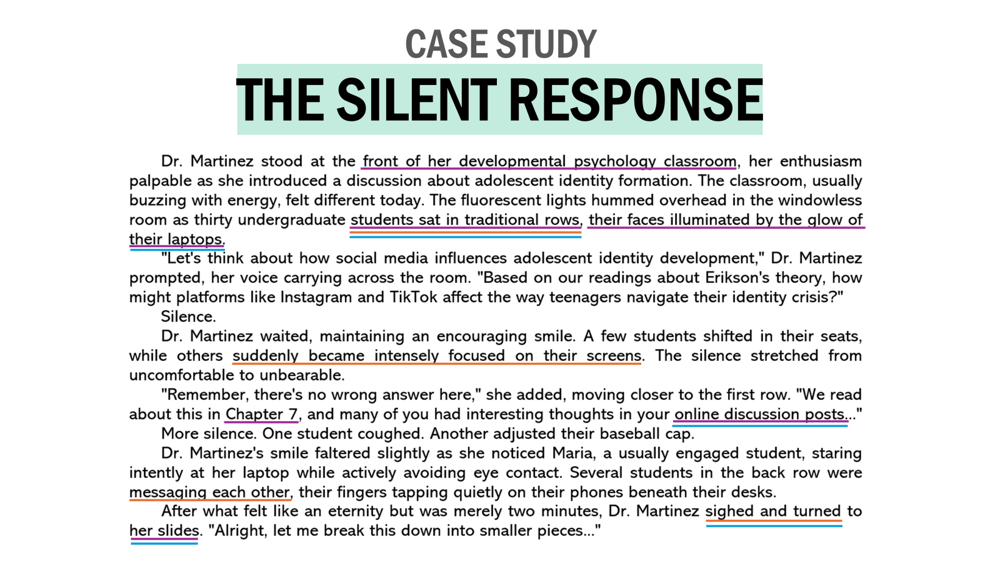
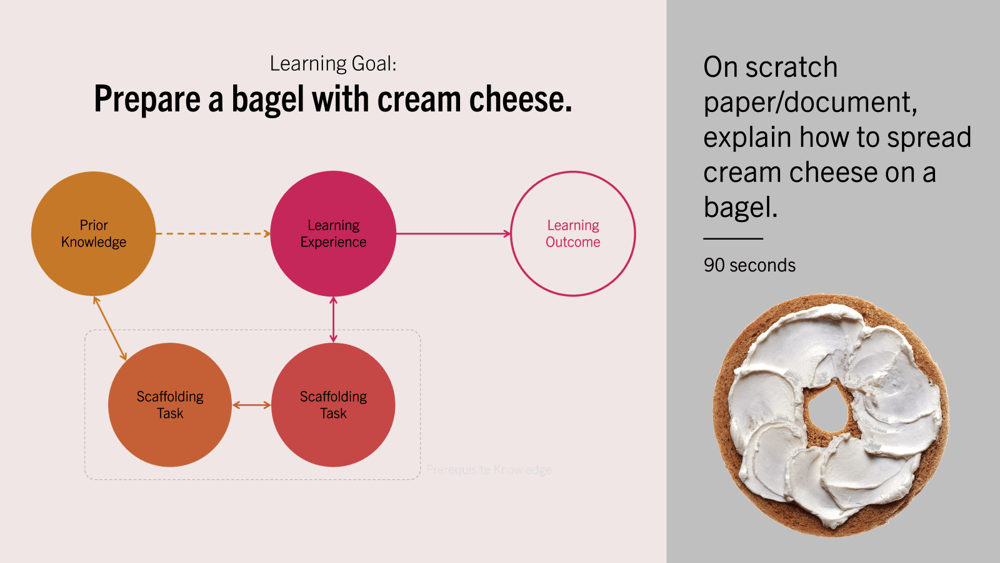
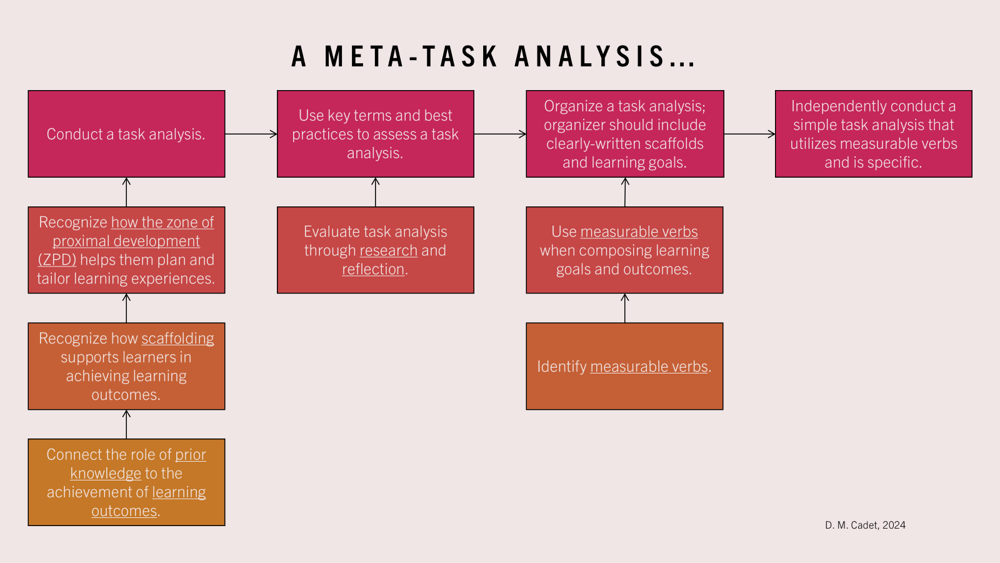
Cadet, D. M. (2024). Task analysis for scaffolded learning. Graduate Teaching and Learning Series, Michigan State Dept. of Human Development and Family Studies, East Lansing, MI.
Participants learn the basics of task analysis through hands-on activities and introduction to Vygotsky’s theory of proximal development. By the end of the session, participants have a foundational understanding of how to scaffold student learning.
Published Work
Reyes, H. L., Mills, K. J., Cadet, D. M., & Johnson, D. J. (2024). Latina and Black women collegians’ paternal relationships: a Chicana and Black feminist interpretive phenomenological analysis. Education Sciences, 14(7), 749.
Research Funding
Future Faculty Fellowship (FFF) | The Graduate School, Michigan State University (2026)
Competitive research award for future college faculty committed to innovation in justice and inclusion
Future Academic Scholars in Teaching (FAST) Fellowship | The Graduate School, Michigan State University (2025)
Competitive teaching-as-research program focused on developing and evaluating instructional interventions
Early Start Summer Research Award | College of Social Sciences, Michigan State University (2023-2026)
Renewable research grant for advanced doctoral students
Manuscripts in Progress
Cadet, D. M. & Townsend, N. (2026) Teaching towards consciousness: social empathy as critical self-knowledge. In Preparation.
Cadet, D. M. (2027) Ideological to interpersonal: collaborative pedagogies as counter-hegemonic practice. In Preparation.
Honors & Awards
Outstanding Professional Promise in Learning and Design Award | Dept. of Teaching and Learning, Vanderbilt University (2022)
Peabody Distinguished Scholar Scholarship | Peabody College of Education and Human Development, Vanderbilt University (2021-2022)
Posse Undergraduate Leadership Scholarship | The Posse Foundation (2012-2017)
 D. M. Cadet