


Drawing on Critical Pedagogy of Place to Navigate College Admissions:
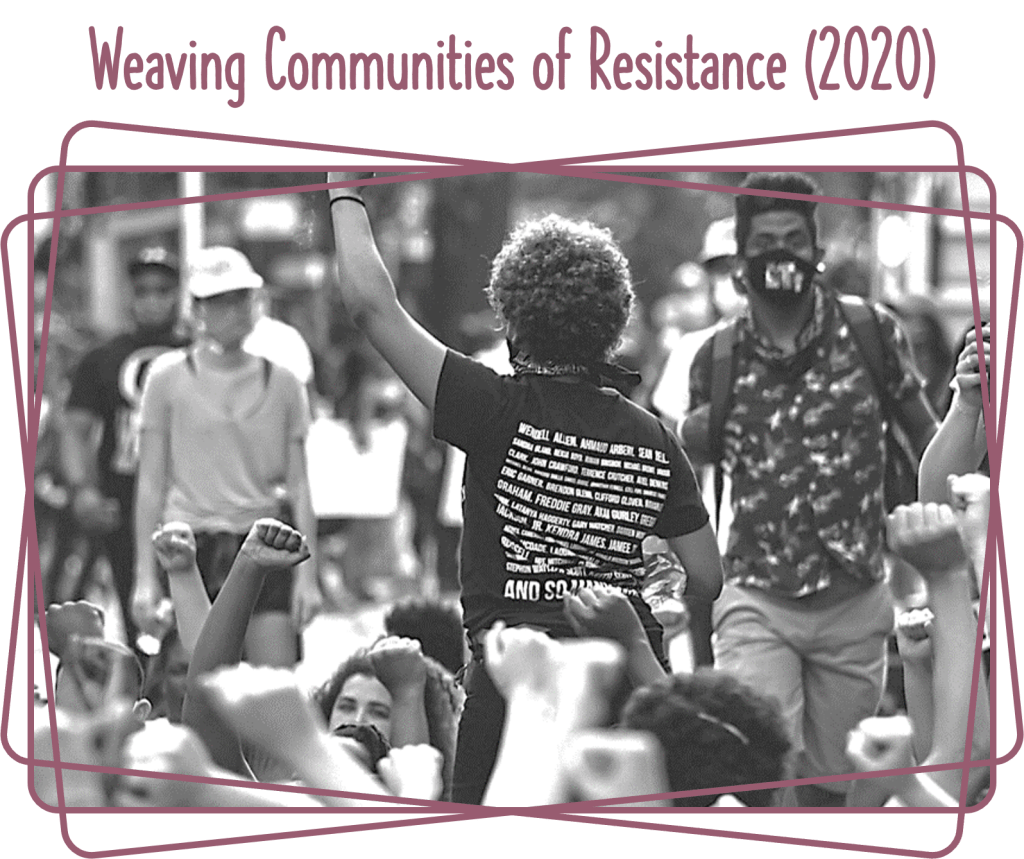
- This project offers a racial equity-oriented mental wellness construct for pre-college programs with the goal of addressing the range of factors shaping students’ identity needs and the nature of these factors’ relationship to one another. It interrogates the ways the pre-college and college systems do not serve Black students while recognizing the necessity of having higher education as an option.
- I draw on Gruenewald’s (2003) critical pedagogy of place to design and evaluate Black student development practices. This approach recognizes that students are “rooted in temporal-spatial conditions which mark them and which they also mark” (p. 4). Learners are challenged to participate in social action that confronts the cultural politics positioning them within the theatre of college admissions and shaping their communities. In the context of college and career readiness, students grapple with the cultural politics of higher education and professional development as it pertains to social and physical space.
- This project is also an opportunity to bridge literature from prevention science, clinical psychology, racial identity development, and learning science.
Literacy Skill Intervention for High School Students, College Students, and Mature English Language Learners:
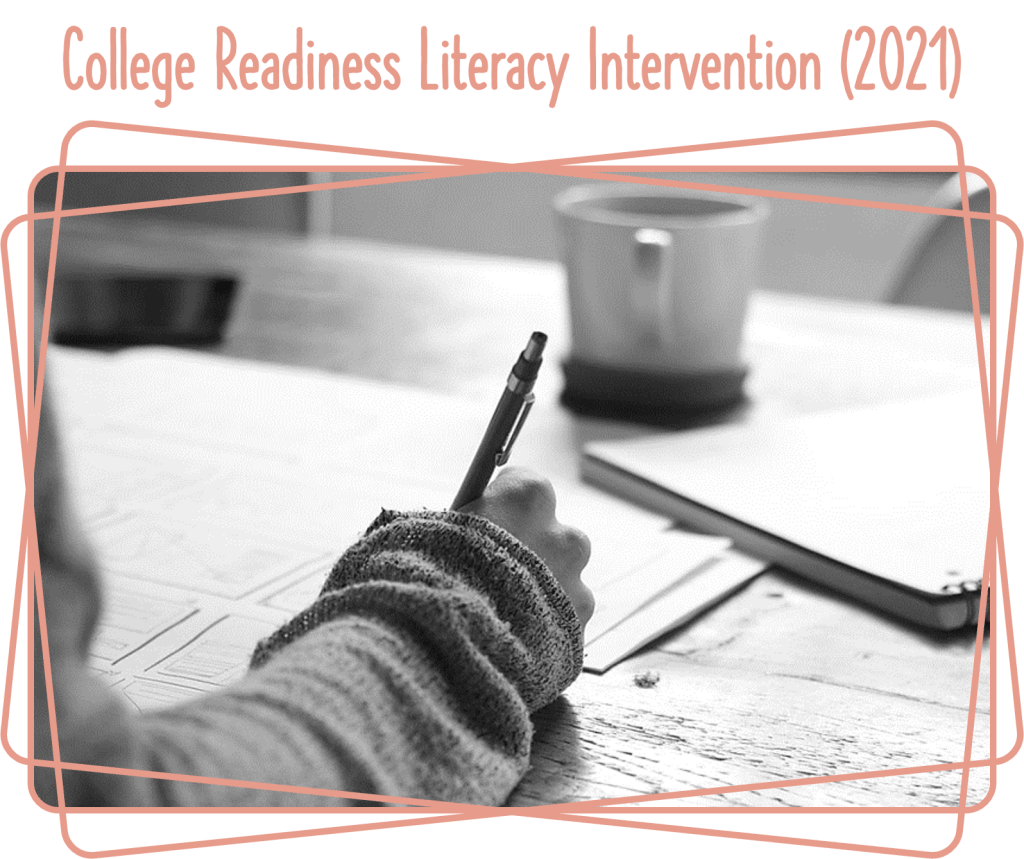
- Working in urban education, I encountered high school students who desired to attend college and understood that they needed to perform well on the SAT. However, because of the English Language Arts education they received in elementary and middle school, they did not write on grade-level. Worse, they did not possess the prerequisite knowledge necessary to follow typical SAT guidebooks.
- Most guidebooks made assumptions about their writing level and did not adequately scaffold their lessons for my students’ needs. I decided to design Powerlift Writing Guide. Powerlift is comprised of slide decks, a manual, classroom activities, and worksheets. The guide is also intended to introduce students to college-level vocabulary while preparing learners to develop grammar and writing skills. (Thus, the “power lift”!)

MOOC Course for First-Generation and/or Low-Income Students and their Families:
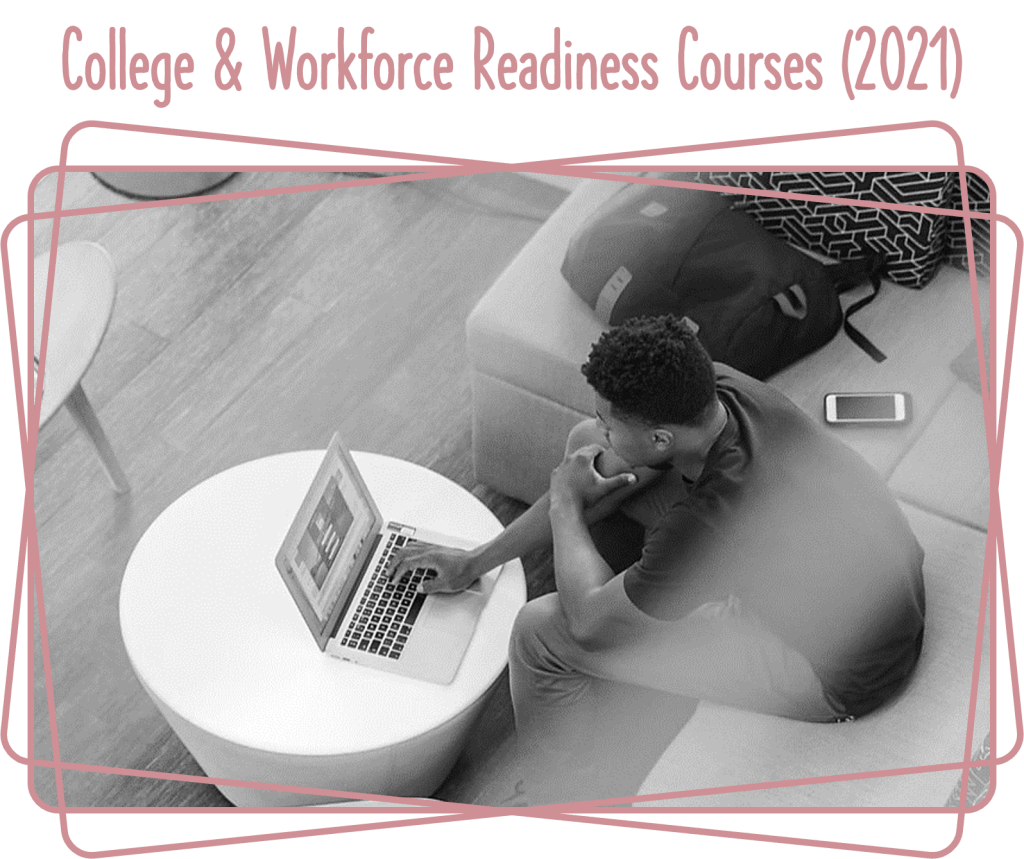
- The College Essay Blueprint is one unit of my larger College and Workforce Readiness course. The unit discussed here overrides students’ assumptions about the college essay and fully supports the writing process by using trauma-informed practices.
- The curriculum is intended to actively address inaccurate and negative assumptions about writing I have observed while preparing applications with high school students. When searching for resources on college essay writing, many of them were not adequately scaffolded for my learners’ needs. Existing materials did not account for certain life experiences and beliefs that undermined my students’ ability to effectively understand the college essay and brainstorm their essays.

Professional Development for Teachers to Support Elementary School Classrooms with Mixed Technology Access Needs:
- Instructional design entails bridging learning and instructional theories creatively. It must be flexible to the needs of the learner and responsive to the limitations of the environment.
- For students required to attend class remotely, instructional design interventions are necessary to ensure that they continue to receive the same quality of education as when they attended class in person. Students who are impacted by the deep digital divide in this country deserve special attention.
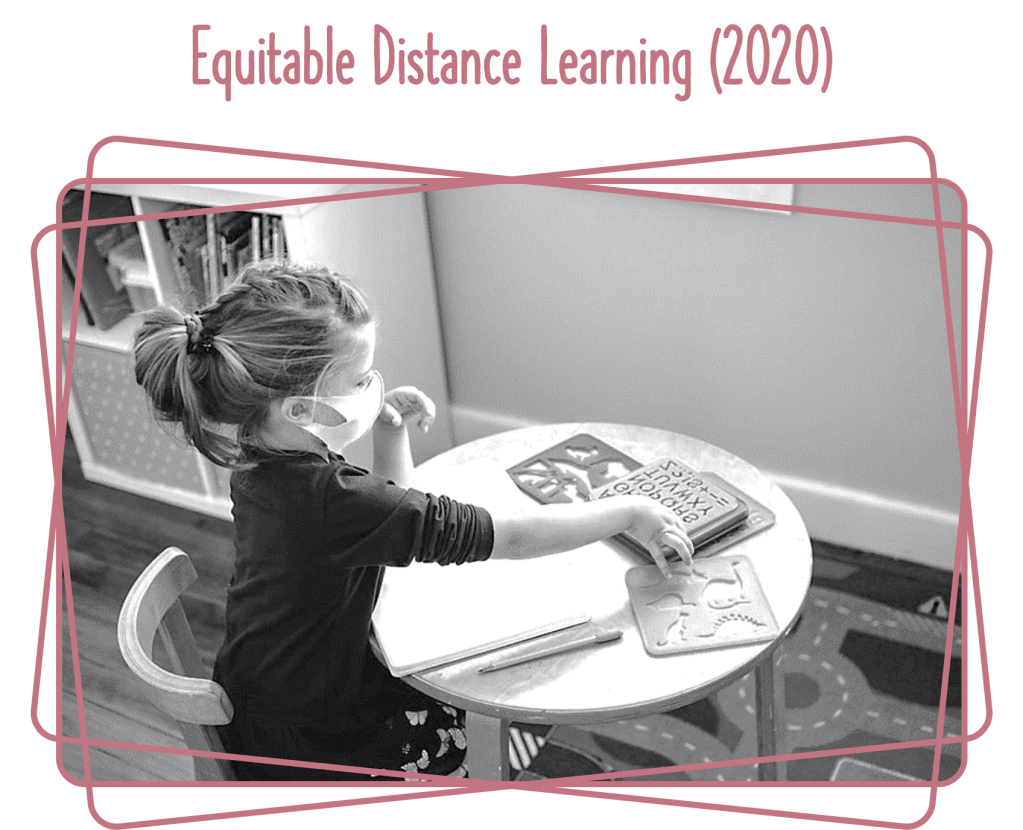
- To support these students, we must first support teachers through training. Needs-Sensitive Lesson Planning is a course comprised of lessons designed to simulate the diagnosis and prescription process they will employ in their own classrooms.

Graphic Design and Online Course Development for a Social Justice Curriculum Book:
- This project allowed me to tap into existing graphic design skills while challenging me to explore advanced features on the Canvas Learning Management System and brush up on my HTML knowledge.
- The project resulted in a print-version curriculum book and accompanying online course. I then translated the content to Canvas LMS. The nature of the curriculum content highlights the importance of aligning visual design with pedagogical intent. Instructional design is more than content, it’s layout and theme schemes as well.
- The project also pushed me to think creatively about modes of lesson delivery. Considering that this curriculum is free for any interested educator, it was necessary to imagine experiencing this curriculum without prior training.

Flexible Activities for Self-Led and Coach-Led Debate Instruction:
- While working as a Program Assistant at the Boston Debate League (BDL) in their After-School Debate Program office. After months of editing their existing curriculum, the BDL asked me to coordinate a curriculum development project with one of the interns I supervised.
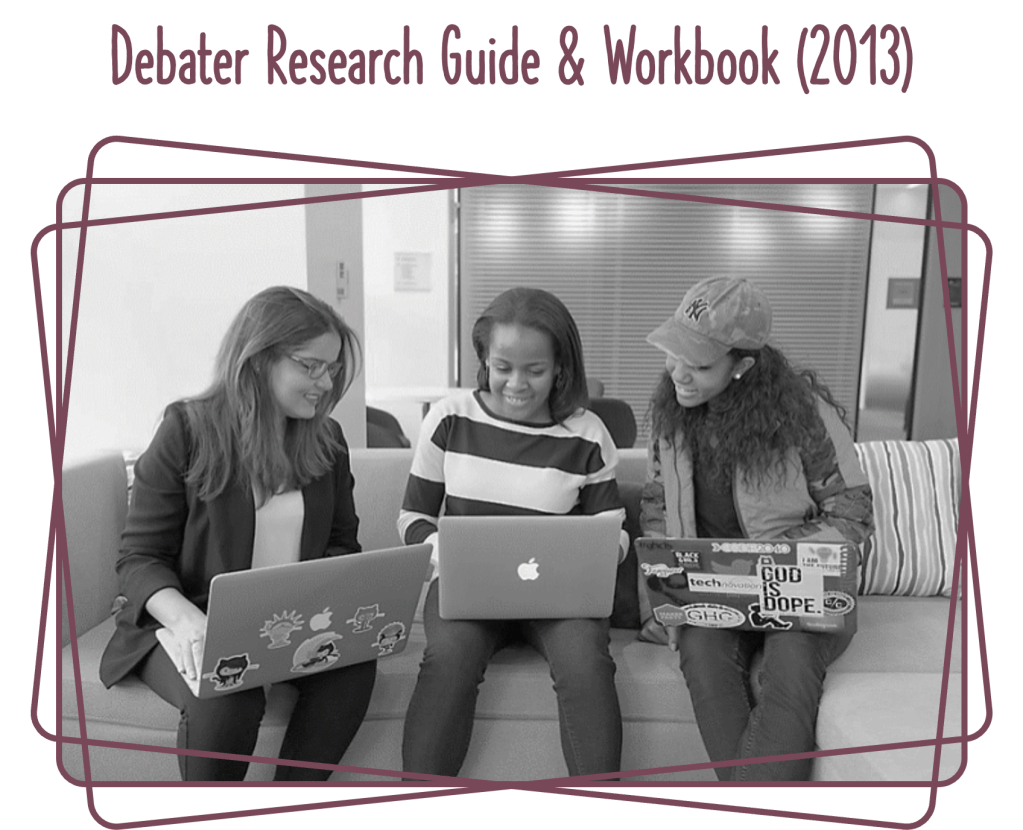
- Because the BDL’s coach and student recruitment structure, they were left with teams that did not have adequate training on advanced debate topics. A regionally-successful debater, I was tasked with developing a curriculum that was flexible enough for individual debaters to teach themselves elevated research and argumentation skills but can also serve as a lesson guide for debate coaches.
- Debaters and their coaches move from mastering policy debate fundamentals to practicing academic research techniques. The curriculum concludes with a demo affirmative plan, which challenges debaters to bring previously reviewed skills together under limited direction.

 D. M. Cadet